markaclinic23

Sleeve gastrectomy (reduction) surgery

What is sleeve gastrectomy (reduction) surgery?

Sleeve gastrectomy is one of the most widely applied surgical procedures today and is known as “stomach reduction surgery”. Sleeve gastrectomy is the laparoscopic removal of 75-80% of the stomach and shaping it into the shape of a tube or a banana.


Who is gastric bypass surgery applied to?

Those with a BMI greater than 40 kg (obese). Those who have a BMI between 35 and 40 and have problems such as type 2 diabetes, high blood pressure, and obstructive sleep apnea are considered obese and may need to undergo gastric bypass surgery. In addition, patients with “new” type 2 diabetes associated with obesity, metabolic disorders and a body mass index between 30 and 35 can be operated on by a decision of an obesity doctor. Bariatric surgeries are performed for aesthetic purposes, not to make a person look weaker, but to prevent potential health problems that a person may face now and in the future.


How is gastric sleeve surgery applied?

Sleeve gastrectomy is a surgical procedure that is performed under general anesthesia and closed by laparoscopic method. All necessary tests, analyzes and controls are performed before the operation for the patient who decides to undergo surgery. When all results are normal, the patient is taken to the operating room. The surgery is performed by making 4-5 micro punctures according to the patient’s body structure. Since these endoscopic incisions are very small, they do not cause any aesthetic problems on the surface of the skin, and do not leave any traces. In order not to reduce the size of the stomach too much during gastric bypass surgery, a tube is inserted into the stomach entrance the size of the diameter of the esophagus. The medical name for this tube is a titration tube. Thus, the stomach contracts to be a continuation of the esophagus. In this way, negative factors such as gastric stenosis or congestion are prevented. After taking the necessary precautions, the stomach is cut in length. After the completion of the operation, the calibration tube placed on the entrance to the stomach at the beginning of the operation is removed and tested for leaks in any part of the stomach with special techniques. Since general anesthesia is applied during the surgery, the patient does not feel pain or pain. The patient does not feel severe pain after the operation, because gastric surgery is performed closed and laparoscopically, without cutting the abdominal muscles and membranes. On the first day after surgery, there may be slight stomach pain, and pain relief medication may be applied in this case. 4-6 hours after the end of the surgery, the patient begins to walk. On the first day after surgery, there may be slight stomach pain, and pain relief medication may be applied in this case. 4-6 hours after the end of the surgery, the patient begins to walk. On the first day after surgery, there may be slight stomach pain, and pain relief medication may be applied in this case. 4-6 hours after the end of the surgery, the patient begins to walk.

We are distinguished by suturing the stomach twice. After stapling the stomach by means of a stapler (stomach stapler), we sew the stomach again manually in order to control the stapling of the stomach strong and prevent any leakage after the operation and also to prevent an expansion in the size of the stomach in the future.
This method is not available in all Istanbul hospitals. We at Marka Clinic offer you the best, latest and safest methods of operations.

What is the duration of the gastric sleeve operation?

Sleeve gastrectomy surgery takes an average of 1.5 hours. The risks after gastric sleeve operation are very low, as it is performed laparoscopically without damaging the organ, protecting the outlet and entrance of the stomach, and ensuring continuity in the digestive system.


What should be considered after gastric sleeve surgery?

In the success of gastric surgery, it is of paramount importance that the patient adopts a new lifestyle, adheres to the diet program that will be given to him, and regularly uses nutritional and vitamin supplements if necessary.

Sleeve gastrectomy (reduction) surgery Read More »

جراحة تكميم (تصغير) المعدة

ما هي جراحة تكميم (تصغير) المعدة؟

يعد تكميم المعدة أحد أكثر العمليات الجراحية تطبيقاً اليوم ويُعرف باسم “جراحة تصغير المعدة”. جراحة تكميم المعدة هي إزالة 75- 80٪ من المعدة بالمنظار وتشكيلها على شكل أنبوب أو ثمرة الموز.


على من يتم تطبيق جراحة تكميم المعدة؟

أولئك الذين يزيد مؤشر كتلة الجسم لديهم عن 40 كجم (يعانون من السمنة المفرطة). أولئك الذين لديهم مؤشر كتلة الجسم بين 35 و 40 ولديهم مشاكل مثل مرض السكري من النوع 2 ، وارتفاع ضغط الدم ، وتوقف التنفس أثناء النوم بسبب السمنة يعتبرون يعانون من السمنة المفرطة وقد يحتاجون إلى الخضوع لجراحة تصغير المعدة. بالإضافة إلى ذلك ، يمكن إجراء عمليات جراحية للمرضى الذين يعانون من مرض السكري من النوع 2 “الجديد” المرتبط بالسمنة واضطرابات التمثيل الغذائي ومؤشر كتلة الجسم بين 30 و 35 بقرار من طبيب السمنة. يتم إجراء جراحات السمنة لأغراض جمالية ، وليس لجعل الشخص يبدو أضعف ، ولكن لمنع المشاكل الصحية المحتملة التي قد يواجهها الشخص الآن وفي المستقبل.


كيف يتم تطبيق جراحة تكميم المعدة؟

تكميم المعدة هي عملية جراحية يتم إجراؤها تحت التخدير العام وتغلق بطريقة التنظير البطني. يتم إجراء جميع الاختبارات والتحليلات والضوابط اللازمة قبل العملية للمريض الذي تقرر إجراء الجراحة. عندما تكون جميع النتائج طبيعية ، يتم نقل المريض إلى غرفة العمليات. يتم إجراء الجراحة عن طريق إجراء 4-5 ثقوبا دقيقة وفقًا لبنية جسم المريض. نظرًا لأن هذه الشقوق بالمنظار صغيرة جدًا ، فإنها لا تسبب أي مشاكل جمالية على سطح الجلد ، ولا تترك أي أثر. حتى لا يتم تقليل حجم المعدة كثيرًا أثناء جراحة تصغير المعدة ، يتم إدخال أنبوب في مدخل المعدة بحجم قطر المريء. الاسم الطبي لهذا الأنبوب هو أنبوب المعايرة. وهكذا ، تقلص المعدة لتكون استمرارًا للمريء. بهذه الطريقة ، يتم منع العوامل السلبية مثل تضيق أو احتقان المعدة. بعد اتخاذ الاحتياطات اللازمة ، يتم قطع المعدة من الطول. بعد الانتهاء من العملية ، يتم إزالة أنبوب المعايرة الموضوعة على مدخل المعدة في بداية العملية ويتم اختبار ما إذا كان هناك تسرب في أي جزء من المعدة بتقنيات خاصة. بما أن التخدير العام يتم تطبيقه أثناء الجراحة فلا يشعر المريض بالألم أو الألم. لا يشعر المريض بألم شديد بعد العملية ، لأن جراحة المعدة يتم إجراؤها مغلقة ومنظار البطن ، دون قطع عضلات وأغشية البطن. في اليوم الأول بعد الجراحة ، قد يكون هناك ألم بسيط في المعدة ، ويمكن تطبيق علاج لتخفيف الآلام في هذه الحالة. بعد 4-6 ساعات من انتهاء الجراحة يبدأ المريض في المشي.

نحن نتميز بتخيط المعدة مرتين فبعد تدبيس المعدة عن طريق الاستابلر (دباسة المعدة) نقوم بخياطة المعدة مرة أخري يدويا حتي نحكم تدبيس المعدة قويا ونمنع حدوث أي تسريب بعد العملية وأيضا لمنع حدوث تمدد في حجم المعدة مستقبلا.
هذه الطريقة غير موجودة في كل مستشفيات إسطنبول. نحن في ماركة كلينك نقدم لكم أفضل وأحدث وأامن طرق العمليات.


ما هي مدة عملية تكميم المعدة؟

تستغرق جراحة تكميم المعدة 1.5 ساعة في المتوسط. المخاطر بعد عملية تكميم المعدة منخفضة للغاية ، حيث يتم إجراؤها بالمنظار دون الإضرار بالعضو ، وحماية مخرج ومدخل المعدة ، وضمان الاستمرارية في الجهاز الهضمي.


ما الذي يجب مراعاته بعد جراحة تكميم المعدة؟

في نجاح جراحة المعدة ، من الأهمية بمكان أن يتبنى المريض أسلوب حياة جديدًا ، ويلتزم ببرنامج النظام الغذائي الذي سيُعطى له ، ويستخدم بانتظام المكملات الغذائية والفيتامينية إذا لزم الأمر.

جراحة تكميم (تصغير) المعدة Read More »

Laser vision correction (LASIK)

LASIK surgery is a laser vision correction by adjusting the curvature of the cornea to treat nearsightedness, farsightedness and astigmatism, which leads to the formation of a clear image on the retina, and permanently dispensing with eyeglasses and contact lenses.


What are the defects and problems of sight?

1- Myopia: It is the inability of the eye to see distant objects clearly.

2- Farsightedness: It is the inability of the eye to see near and far objects without eye strain.

3- Astigmatism: Astigmatism occurs as a result of irregularity in the surface of the cornea of ​​the eye, which leads to headaches and blurred vision.


To whom can the LASIK operation be applied?

It is applied to people aged 18-45.

People who use glasses for far vision or contact lenses.

People with farsightedness and astigmatism up to six degrees.


Questions that must be answered to know whether the patient is suitable for LASIK surgery or not?

If you are outside Turkey, you must submit a detailed report from the ophthalmologist containing the following:

  • How old are you?
  • What are the eye sizes? Do you use glasses for close or far distances?
  • What is the patient’s degree of vision? Do you have lazy eye nerve or double vision?
  • Do you use contact lenses?
  • Send a topographical image of the cornea, if possible.
  • Do you have diabetes, blood pressure or a genetic disease? Do you use a blood thinner? Or any other medication?
  • Have you ever had any eye surgery? If I had surgery, what surgery did I have?


Tips before undergoing laser vision correction surgery


No cosmetics should be used on the eyelids

Not wearing contact lenses for several days before (at least three days)

Avoid using any perfume on the day of the operation, because perfume obstructs the penetration of the laser into the patient’s eye.


What are the tests before laser vision correction operations?

Measuring degrees of vision.

eye pressure measurement

Corneal topographic imaging.

Determining the thickness of the cornea.

Doctor’s examination.


What are the LASIK procedures?

On the day of the operation, you must come one hour before the operation.

Before the operation, the patient is examined and a topographical x-ray of the cornea is taken.

The operation is performed on both eyes within 15 minutes under local anesthesia.

The patient is discharged immediately after the operation and comes to see the doctor the next day.


What are the types of laser in vision correction operations?

PRK surface laser.
Femto Lasik.
Femto smile (without raising a layer of the cornea).
Conventional LASIK (microtome).
Custom LASIK (detailed LASIK procedure).

The most appropriate method for the operation is determined by the doctor according to the thickness of the cornea, the topographic rays and the doctor’s examination.


What are the tips and instructions followed after laser vision correction operations?

Avoid touching and rubbing the eyes or getting water inside the eyes for 48 hours after the operation.

Do not drive immediately after the operation.

You can eat whatever food and drinks you want after the operation.

Coming to the doctor the next day to follow up on the success of the operation.

Do not worry about the presence of light haze in the vision, burning and tears in the eyes for 5 hours after the operation, as it is very normal.


Laser vision correction (LASIK) Read More »

تصحيح النظر بالليزر (الليزك)

عملية الليزك هي عبارة عن تصحيح النظر بالليزر عن طريق ضبط تحدب القرنية لمعالجة قصر النظر وطول النظر والاستجماتيزم، مما يؤدى إلى تكوين صورة واضحة على شبكية العين، والاستغناء عن النظارات الطبية والعدسات اللاصقة بشكل نهائي


ما هي عيوب ومشاكل النظر؟

1- قصر النظر: هو عدم قدرة العين على رؤية الأشياء البعيدة بوضوح.

2- طول النظر: هو عدم قدرة العين على رؤية الأشياء القريبة والبعيدة بدون إجهاد للعين.

3- الأستيجماتيزم: يحدث الاستجماتيزم نتيجة عدم انتظام سطح قرنية العين مما يؤدي إلى صداع وعدم وضوح الرؤية.


لمن يمكن تطبيق عملية الليزك؟

يتم تطبيقه على الأشخاص الذين تتراوح أعمارهم بين 18-45.

الأشخاص الذين يستخدمون النظارات للرؤية البعيدة أو العدسات اللاصقة.

الأشخاص الذين يعانون من طول النظر والأستيجماتيزم حتى ستة درجات.


أسئلة يجب الإجابة عليها لمعرفة ما إذا كان المريض مناسبًا لعملية الليزك ام لا ؟

إذا كنت خارج تركيا ، فيجب تقديم تقرير مفصل من طبيب العيون يحتوي علي التالي:

  • كم عمرك؟
  • ما هي مقاسات العين؟ هل تستخدم نظارات للمسافات القريبة أو البعيدة ؟
  • ما هي درجة رؤية المريض؟ هل لديك كسل في عصب العين أو ضعف في الرؤية؟
  • هل تستخدم العدسات اللاصقة؟
  • إرسال صورة الأشعة الطبوغرافية للقرنية إن أمكن.
  • هل لديك مرض السكري أو ضغط الدم أو مرض وراثي؟ هل تستخدم مميع الدم؟ أو أي دواء آخر؟
  • هل سبق لك أن أجريت أي عملية جراحية للعين؟ إذا خضعت لعملية جراحية ، فما هي الجراحة التي أجريتها؟


نصائح قبل إجراء عمليات تصحيح النظر بالليزر


يجب عدم إستخدام أي مستحضرات تجميل على الجفون

عدم ارتداء العدسات اللاصقة لعدة أيام قبل (ثلاثة أيام على الأقل)

تجنب استخدام أى عطور يوم العملية لأن العطر يعوق نفاذ الليزر إلى عين المريض.


ما هي الفحوصات قبل عمليات تصحيح النظر بالليزر؟

قياس درجات النظر.

قياس ضغط العين

تصوير أشعة طبوغرافية للقرنية.

تحديد سُمك القرنية.

معاينة الطبيب.


ما هي إجراءات عملية الليزك؟

في يوم العملية، يجب الحضور قبل ساعة من موعد العملية.

قبل العملية يتم فحص المريض وتصوير الأشعة الطبوغرافية للقرنية.

تتم العملية لكلا العينين في غضون 15 دقيقة تحت التخدير الموضعي.

يخرج المريض مباشرة بعد العملية ويأتي لمراجعة الطبيب في اليوم التالي.


ما هي أنواع الليزر في عمليات تصحيح النظر؟

الليزر السطحي PRK.
الفيمتو ليزك.
الفيمتو سمايل (بدون رفع طبقة من القرنية).
الليزك التقليدي (بالقاطع الميكانيكي الميكروتوم).
الكاستم ليزك (عملية الليزك التفصيلي).

يتم تحديد أنسب طريقة للعملية من قبل الطبيب علي حسب سمك القرنية والاشعة الطبوغرافية ومعاينة الطبيب.


ما هي النصائح و التعليمات المتبعة بعد عمليات تصحيح النظر بالليزر ؟

إبتعد عن لمس و دعك العين أو دخول الماء داخل العين لمدة 48 ساعة بعد العملية.

عدم القيادة بعد العملية مباشرة.

يمكنك تناول ما شئت من المأكولات والمشروبات بعد العملية.

القدوم إلي الطبيب في اليوم التالي لمتابعة نجاح العملية.

لا تقلق من وجود ضباب خفيف بالرؤية وحرقان ودموع بالعين لمدة 5 ساعات بعد العملية فهو أمر طبيعي جدا.


تصحيح النظر بالليزر (الليزك) Read More »

Stomach Botox

What is stomach botox?

Gastric Botox is a non-surgical obesity treatment that is applied laparoscopically and aims to slow down stomach movements by injecting Botox at a certain depth in certain areas of the stomach. The goal is to create a feeling of satiety and reduce the feeling of hunger.


Who is gastric botox applied to?

Gastric Botox can be applied to anyone who is overweight. However, there are certain criteria that are required to carry out this process. These are:
– The patient’s BMI should be less than 40. The right treatment option for patients with a BMI of 40 and above is bariatric surgery.
The patient must be over 16 years old.
The patient should not be allergic to botox.
The patient should not have neuromuscular disease. Those who suffer from stomach ulcers such as gastritis can do this procedure after treatment.


How is gastric botox applied?

Gastric Botox is applied endoscopically. The patient comes to the hospital fasting for 8 hours. In the endoscopy unit, the operation is performed in a state similar to deep sleep, which we call light sedation, accompanied by the anesthesiologist. The patient does not feel any pain, swelling or cramps. After the procedure is over and the patient wakes up, he doesn’t remember anything. The patient can go home about an hour after the procedure ends. After about 4 hours, he is back to his normal life completely.


How long is the gastric botox procedure?

Gastric Botox procedure takes 15-20 minutes on average.


What should be considered after gastric injection?

You can start taking drinks after stomach botox after two hours.
You should limit the consumption of soda, carbohydrates, juices and alcohol.
You should consume the types of food that the dietitian deems appropriate for you in the required quantity.
Smoking does not have any positive or negative effect on stomach botox, but smoking is not recommended.
It is not recommended to drink coffee in the first 3 days after the operation.
After the operation, you should follow the nutrition program given to you by our nutritionist.

Stomach Botox Read More »

بوتوكس المعدة

ما هو بوتوكس المعدة؟

بوتوكس المعدة هو أحد علاجات السمنة غير الجراحية التي يتم تطبيقها بالمنظار ويهدف إلى إبطاء حركات المعدة عن طريق حقن مادة البوتوكس على عمق معين في مناطق معينة من المعدة. الهدف هو خلق شعور بالشبع وتقليل الشعور بالجوع.


على من يتم تطبيق بوتوكس المعدة؟

يمكن تطبيق بوتوكس المعدة على أي شخص يعاني من زيادة الوزن. ومع ذلك ، هناك معايير معينة مطلوبة لتنفيذ هذه العملية. هذه هي:
– يجب أن يكون مؤشر كتلة جسم المريض أقل من 40. إن الخيار العلاجي الصحيح للمرضى الذين يبلغ مؤشر كتلة الجسم لديهم 40 وما فوق هو جراحة السمنة.
– يجب أن يكون عمر المريض أكبر من 16 سنة.
– يجب ألا يكون المريض مصابًا بالحساسية تجاه مادة الوتوكس.
– أن لا يكون المريض مصاباً بمرض العصب العضلي. يمكن لأولئك الذين يعانون من قرحة في المعدة مثل التهاب المعدة القيام بهذا الإجراء بعد العلاج.


كيف يتم تطبيق بوتوكس المعدة؟

يتم تطبيق بوتوكس المعدة بطريقة التنظير الداخلي. يأتي المريض إلى المستشفى صائما لمدة 8 ساعات. في وحدة التنظير ، يتم إجراء العملية في حالة مشابهة للنوم العميق ، والذي نسميه التخدير الخفيف ، برفقة طبيب التخدير. لا يشعر المريض بأي ألم أو تورم أو تقلصات. بعد انتهاء الإجراء واستيقاظ المريض ، لا يتذكر أي شيء. يمكن للمريض العودة إلى المنزل بعد حوالي ساعة من انتهاء الإجراء. بعد حوالي 4 ساعات ، عاد إلى حياته الطبيعية تمامًا.


ما هي مدة إجراء بوتوكس المعدة؟

تستغرق عملية بوتوكس المعدة 15-20 دقيقة في المتوسط.


ما الذي يجب مراعاته بعد حقن المعدة؟

يمكنك البداية في تناول المشروبات بعد بوتوكس المعدة بعد ساعتين.
يجب الحد من استهلاك الصودا والكربوهيدرات والعصائر والكحول.
يجب أن تستهلك أنواع الطعام التي يراها اختصاصي التغذية مناسبة لك بالكمية المطلوبة.
ليس للتدخين أي تأثير إيجابي أو سلبي على بوتوكس المعدة لكن لا ينصح بالتدخين.
لا ينصح بشرب القهوة في أول 3 أيام بعد العملية.
بعد العملية يجب عليك اتباع برنامج التغذية الذي قدمه لك أخصائي التغذية لدينا.

بوتوكس المعدة Read More »

gastric balloon operation

What is the gastric balloon operation?

The gastric balloon is a non-surgical way to lose weight. Placing a balloon in the stomach helps to lose weight by taking up space. This balloon takes up space in the stomach and allows you to get full quickly with less food. It also helps you gain healthy eating habits while feeling full. It is a method that does not cause permanent change in the stomach.


To whom is the gastric balloon operation applied?

People who cannot lose weight despite following a diet.
People who cannot exercise for various reasons.
Those who need to lose weight as quickly as possible for medical reasons.
People who do not want to have surgery.
To prepare before bariatric surgery.


How is the gastric balloon operation applied?

The gastric balloon is placed under laparoscopic anesthesia. The balloon that is placed in the stomach is inflated with sterile water colored blue to reach the required size. Although this volume is 500 ml on average, it is usually between 400 and 700 ml depending on the capacity of a person’s stomach. It is a quick and painless procedure.


How long is the gastric balloon procedure?

The duration of the procedure is on average 15-20 minutes. It is applied on a daily basis and does not require an overnight stay in the hospital. The patient is kept under observation for a short time and sent home.


What should be considered after the gastric balloon procedure?

  • You should not eat and drink at the same time.
  • It is necessary to wait at least 30 minutes between food and drink.
  • Sugar consumption should be limited.
  • Products that are very fatty and very spicy should be eaten as little as possible as they will increase stomach complaints and reflux.

gastric balloon operation Read More »

عملية بالون المعدة

ما هي عملية بالون المعدة؟

بالون المعدة هي طريقة غير جراحية لفقدان الوزن. يساعد وضع البالون في المعدة على إنقاص الوزن عن طريق شغل مساحة. يشغل هذا البالون مساحة في المعدة ويسمح لك بالشبع بسرعة بطعام أقل. و يساعدك أيضا على اكتساب عادات غذائية صحية مع الشعور بالشبع. وهي طريقة لا تسبب تغير دائم في المعدة.


لمن يتم تطبيق عملية بالون المعدة؟

– الأشخاص الذين لا يستطيعون إنقاص الوزن على الرغم من اتباع نظام غذائي.
– الأشخاص الذين لا يستطيعون ممارسة الرياضة لأسباب مختلفة.
– أولئك الذين يحتاجون إلى إنقاص الوزن في أسرع وقت ممكن لأسباب طبية.
– الأشخاص الذين لا يرغبون في إجراء عملية جراحية.
– للتحضير قبل جراحة السمنة.


كيف يتم تطبيق عملية بالون المعدة؟

يتم وضع بالون المعدة تحت التخدير بالمنظار. يتم نفخ البالون الذي يوضع في المعدة بالماء المعقم الملون باللون الأزرق للوصول إلى الحجم المطلوب. على الرغم من أن هذا الحجم هو 500 مل في المتوسط ​​، إلا أنه يتراوح عادة بين 400 و 700 مل حسب سعة معدة الشخص. إنه إجراء سريع وغير مؤلم.


ما هي مدة إجراء بالون المعدة؟

مدة الإجراء في المتوسط ​​15-20 دقيقة. يتم تطبيقه على أساس يومي ولا يتطلب المبيت في المستشفى. يتم إبقاء المريض تحت الملاحظة لفترة قصيرة وإرساله إلى المنزل.


ما الذي يجب مراعاته بعد إجراء بالون المعدة؟

  • يجب عدم تناول الطعام والشراب في نفس الوقت.
  • من الضروري الانتظار لمدة 30 دقيقة على الأقل بين الطعام والشراب.
  • يجب أن يكون استهلاك السكر محدودًا.
  • يجب تناول المنتجات الدهنية جدًا والحارة جدًا بأقل قدر ممكن لأنها ستزيد من شكاوى المعدة والارتجاع.

عملية بالون المعدة Read More »

Dental implant surgeries

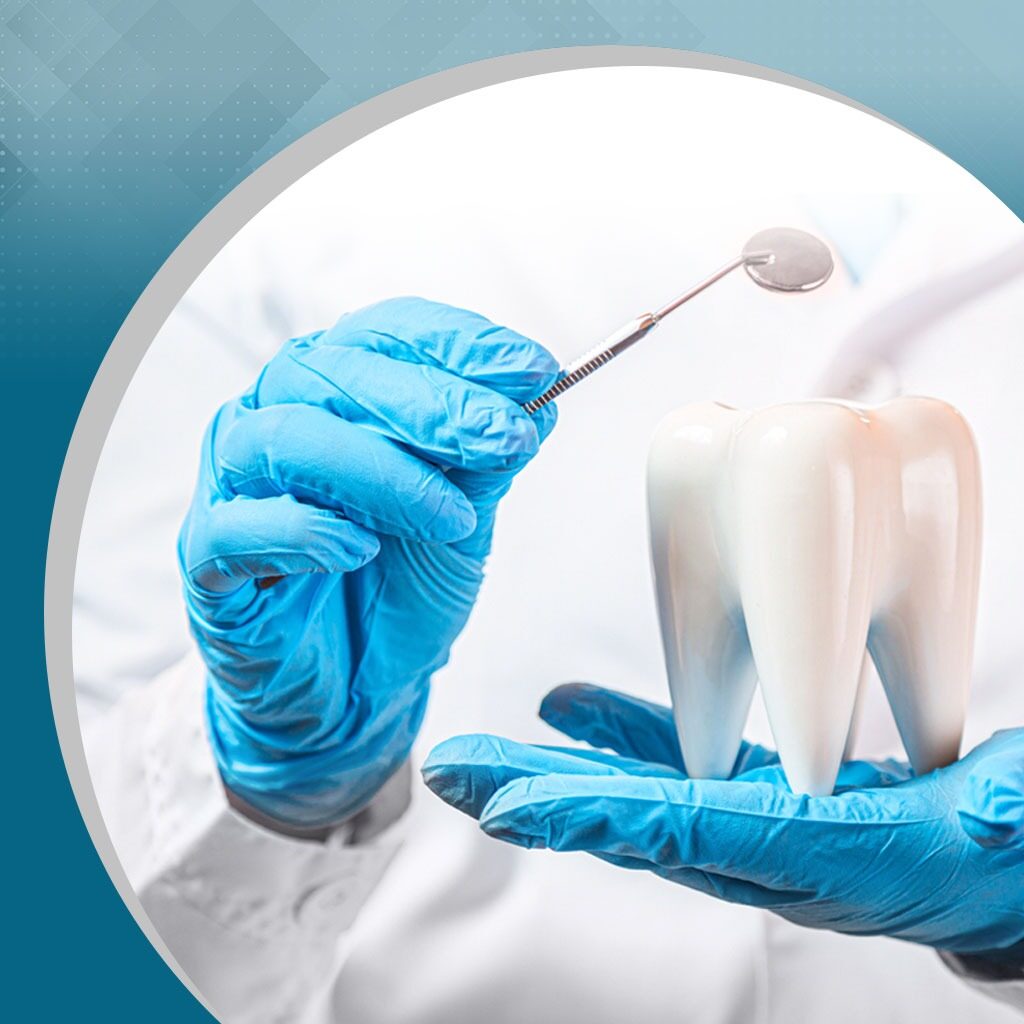
Dental implant surgery is a process by which the roots of the teeth are replaced with metal abutments similar to screws, and the damaged or missing tooth is replaced with an artificial tooth that closely resembles real teeth in terms of appearance and performance. Dental implant surgery may provide an acceptable alternative to dentures or dental bridges that do not fit as required, and may provide an option when natural tooth roots do not allow dentures or bridge replacements.

How dental implant surgery is performed depends on the type of component being implanted and the condition of the jawbone. Dental implant surgery may include several operations. The main benefit of the implants is to provide a solid support for the new tooth — this process requires complete healing of the bone around the implant. Since this healing takes time, the process may take several months.

Why is this done

Dental implants are surgically placed in your jawbone, where they act as the roots of missing teeth. As a result of the titanium in implants fusing with the bones of your jaw, the implants won’t slide, make noise, or cause bone damage as might happen with a fixed bridge or denture. Nor do the materials decay like your teeth, while a regular supporting bridge can decay.

In general, dental grafts may be suitable for you if:

  • You have one or more missing teeth
  • You have a fully developed jaw bone
  • Have bone suitable for securing grafts or able to accommodate bone graft
  • You have healthy oral tissues
  • You do not have health conditions that will affect bone healing
  • You are unable or unwilling to wear dentures
  • You want to improve your speech
  • You have resolved to devote several months to the operation
  • Don’t smoke tobacco

Risks

Like any surgery, dental implant surgery poses some health risks. Problems are rare, however, when they do occur they are usually minor and easily treatable. Risks include:

  • Inflammation at the transplant site
  • Injury or damage to surrounding structures, such as teeth or other blood vessels
  • Nerve damage, which can cause pain, numbness or tingling in your natural teeth, gums, lips or chin
  • Sinus problems, when dental implants are placed in the upper jaw, it protrudes into the sinus cavities

How to prepare

The dental implant planning process may involve a variety of specialists, including a doctor who specializes in conditions of the mouth, jaw and face (oral and maxillofacial surgeon), a dentist who specializes in treating structures that support teeth such as gums and bones (periodontist), or a dentist who designs He or she fits artificial teeth (prosthodontist) or sometimes an ear, nose and throat specialist (otolaryngologist).

Because dental implants require one or more surgical procedures, you should have a thorough evaluation in order to prepare for this surgery, including:

  • Comprehensive dental examination. Dental X-rays and 3D images may be taken and models of the teeth and jaw made.
  • Review your medical history. Tell your doctor about any medical conditions and any medications you’re taking, including prescription and over-the-counter medications and supplements. If you have certain heart conditions or have bone implants, your doctor may prescribe antibiotics before surgery to help prevent infection.
  • treatment plan. Depending on the situation, this plan takes into account factors such as the number of teeth that need to be replaced, the condition of the jawbone and the remaining teeth.

To control pain, anesthesia options during surgery include local, sedation or general anesthesia. Talk with your dental professional about the best option for you. Your dental care team will give you instructions about eating and drinking before surgery, depending on the type of anesthesia you have. If you’re going to have sedation or general anesthesia, plan to have someone drive you home after surgery and plan to rest for the rest of the day.

What you can expect

Dental implant surgery, in many cases, is an outpatient surgery that takes place in stages, with time to heal. The process of placing a dental implant includes several stages, including:

  • extract a damaged tooth
  • Jawbone preparation (graft), when needed
  • Dental implant replacement
  • Bone growth and healing
  • stent installation
  • Installing an artificial tooth

The entire process can take several months from start to finish. Most of the time is devoted to healing and waiting for new bone to grow in the jaw. Depending on your situation, the specific action being taken or the materials being used, sometimes some steps can be combined.

If the jawbone is not thick enough or too soft, you may need a bone graft before having dental implant surgery. This is because vigorously chewing puts too much pressure on the jawbone, and if the bone is not suitable to support the dental implant, surgery is likely to fail. The bone graft can form a more solid base for the dental implant.

There are many bone graft materials that can be used to rebuild the jawbone. Available options include natural bone grafts, such as grafts derived from another site in the body, or artificial bone grafts, such as bone substitute materials that provide support structures for new bone growth. Talk to your doctor about the best options for you.

It may take several months for the implanted bone to grow enough to form new bone to support the dental implant. In some cases, you may need only a small bone graft, which can be done at the same time as the dental implant surgery. The condition of your jawbone determines how much progress you make.

Dental implant placement

During surgery to place a dental graft, the oral surgeon makes a cut to open your gums and expose the bones. Holes are drilled into the bone where the dental implant abutment will be placed. Since the abutment will act as the tooth’s root, it is implanted deep into the bone.

At that point, you will still have a gap where the tooth is not. Temporary dentures may be placed to preserve appearance, if necessary. You can remove the dentures for cleaning and while you sleep.

Waiting for the bone to grow

Once the metal graft wedge is placed in your jawbone, osseointegration begins. During this process, the jawbone grows inward and unites with the surface of the dental implant. This process, which can take several months, helps provide a solid base for your new artificial teeth — just as roots do for your natural teeth.

support position

When the bone fusion is complete, you may need additional surgery to place the abutment — the piece on which the crown will eventually be attached. This minor surgery is usually performed after local anesthesia on an outpatient basis.

To place the stent:

  • The oral surgeon reopens the gums to expose the dental implant
  • The abutment is placed in the dental implant
  • Then, the gum tissue heals around the abutment rather than on it

In some cases, the abutment is inserted into the metal dental implant post when the post is implanted. This means that you will not need an additional surgical step. Because the abutment extends past the gum line, it’s nonetheless visible when the mouth is opened — and remains until the dentist completes the replacement dental implant. Some people don’t like this look and prefer to have the stent in a separate surgery.

After the abutment is placed, the gums should heal approximately two weeks before the artificial tooth is placed.

Choosing a new artificial tooth

Once the gums have healed, many of the remaining impressions of the mouth and teeth will be taken. These dental impressions are used to create the crown — an artificial tooth that looks as if it were real. The crown cannot be placed until the jawbone is strong enough to support the use of the new tooth.

You and your dentist can choose removable or fixed artificial teeth, or a combination of the two:

  • removable teeth. This type is similar to a traditional removable denture and can be part of a denture, or a complete denture. It contains white artificial teeth surrounded by pink plastic gums. It is attached to a metal frame that is attached to the implant support, and is held firmly in place. It can also be removed easily for restoration or for daily cleaning.
  • fixed teeth. In this type, the artificial tooth is secured to always remain in the single implant abutment. You cannot remove the tooth for cleaning or during sleep. In most cases, each crown is fitted to its own dental implant. However, because the implants are so strong, it is possible to replace several teeth with one implant, if those teeth are next to each other.

After the operation

Whether you perform dental implant surgery in one stage or in multiple stages, you may encounter some of the traditional problems associated with any type of dental surgery, such as:

  • swollen gums and face
  • Bruising of the skin and gums
  • Implantation pain
  • slight bleeding

You may need to take pain relievers or antibiotics after dental implant surgery. If a tumor, pain, or other problem worsens in the days following surgery, contact your oral surgeon.

After each stage of surgery, you may have to eat soft foods while the surgical site heals. In general, the surgeon will use sutures that dissolve on their own. If the stitches aren’t self-dissolving, your doctor will remove them.

Results

Most dental implants are successful. However, sometimes the bone may not fuse sufficiently into the metallic implant. Smoking, for example, may contribute to implant failure and complications.

If the bone doesn’t fuse enough, the implant will be removed and the bone cleaned, and you can try the procedure again in about three months.

You can help keep your artificial teeth — and your remaining natural teeth — working so they last longer if you do the following:

  • Practice good oral habits. Just as with natural teeth, keep implants, artificial teeth, and gum tissue clean. Specially designed brushes, such as an interdental brush that glides between teeth, can help clean nooks and crannies around the teeth, gums, and metal wedges.
  • Visit the dentist regularly. Schedule dental checkups to ensure the health and safety of the implants and follow the advice of professional cleaning procedures.
  • Avoid harmful habits. Don’t chew hard objects such as ice and hard candy, which can break crowns — or your natural teeth. Avoid staining tobacco and caffeinated products. And seek treatment if you feel the teeth clenching.
 

Dental implant surgeries Read More »

Gastric sleeve surgeries

Sleeve gastrectomy, also called vertical sleeve gastrectomy, is a surgical weight-loss procedure. This procedure is usually performed laparoscopically, which involves inserting tiny instruments through multiple small incisions in the upper abdomen. During a gastric sleeve procedure, approximately 80% of the stomach is removed leaving a portion of it that looks like a tube and is the size and shape of a banana.

Reducing the size of the stomach limits the amount of food a person can consume. Furthermore, the procedure induces hormonal changes that aid weight loss. These same hormonal changes also help relieve conditions associated with being overweight, such as high blood pressure or heart disease.

Why is this done

Sleeve gastrectomy is done to help you lose excess weight and reduce the risk of potentially life-threatening weight-related health problems, including:

  • heart disease
  • Hypertension
  • high cholesterol
  • Obstructive sleep apnea
  • Type 2 diabetes
  • Apoplexy
  • cancer
  • infertility

A gastric sleeve will usually not be done until you’ve tried to lose weight by improving your diet and exercise habits.

In general, gastric sleeve surgery may be an option for you if:

  • If your BMI is 40 or more (obese).
  • If your BMI is 35 to 39.9 (obese), and you also have a serious weight-related health problem; Such as type 2 diabetes, arterial hypertension, or severe sleep apnea. In some cases, you may be eligible for certain types of weight-loss surgery if your BMI is between 30 and 34 and you have serious weight-related health problems.

You should also be willing to make lasting changes to lead a healthier lifestyle. You may be required to participate in long-term follow-up plans that include monitoring your diet, lifestyle, behavior and health.

Check with your health insurance plan or visit your local Medicare or Medicaid services office to see if your plan covers weight-loss surgery.

Risks

As with any major surgery, sleeve gastrectomy carries potential health risks, both in the short and long term.

The risks associated with gastric sleeve surgery can include the following:

  • severe bleeding
  • infection
  • Adverse reaction to anesthesia
  • blood clots
  • Lung or breathing problems
  • Leaks from the edge of the cut stomach

Long-term risks and complications associated with gastric sleeve surgery can include the following:

  • gastrointestinal obstruction
  • hernia cases
  • gastroesophageal reflux disease
  • lack of blood sugar
  • Malnutrition
  • vomiting

Fatal complications of gastric sleeve surgery are very rare.

How to prepare

In the weeks before surgery, you may be asked to start a program of physical activity and to completely quit using tobacco products.

Just before the surgical procedure, there may be some restrictions on eating and drinking and the medications you can take.

It would be a good idea to start planning in advance for the postoperative recovery phase. For example, make arrangements to get help at home if you think you will need help.

What you can expect

Sleeve gastrectomy is performed in a hospital. Depending on how well you recover, your hospital stay may last from one to two nights.

During the operation

The specifics of the surgery depend on your personal situation and the practices followed in the hospital or by your doctor. Some sleeve gastrectomy operations are performed by making traditional large incisions in the abdomen. However, sleeve gastrectomy can usually be done laparoscopically, which involves inserting small instruments through multiple small incisions in the upper abdomen.

You will receive general anesthesia before the surgery begins. General anesthesia is medication that keeps you asleep without any pain during surgery.

To perform a gastric sleeve, the surgeon creates what looks like a tight sleeve by stapling the stomach vertically and removing the largest curved portion of the stomach.

This surgery usually takes one to two hours. After the surgery, you are recovered in the recovery room where the medical staff monitors your condition for any complications.

After the operation

After gastric sleeve surgery, your diet begins with non-carbonated, sugar-free liquids for the first seven days, progresses to pureed food for three weeks, and eventually to regular food about four weeks after surgery. You’ll need to take a twice-daily multivitamin, a calcium supplement once a day, and a once-monthly injection of vitamin B-12 for life.

You will undergo frequent medical examinations to monitor your health for the first several months after weight loss surgery. You may need a lab test, a blood test and multiple tests.

You may experience changes as your body reacts to rapid weight loss in the first three to six months after gastric sleeve surgery, including:

  • body aches
  • Feeling tired, as if you had the flu
  • feeling cold
  • dry skin
  • Hair thinning and loss
  • Mood changes

Results

Sleeve gastrectomy can lead to long-term weight loss. The amount of weight you’ll lose depends on the changes you’ll make in your lifestyle habits. It is possible to lose about 60% or more of your excess weight within two years.

In addition to weight loss, gastric sleeve surgery may improve or treat conditions often associated with being overweight, including:

  • heart disease
  • Hypertension
  • high cholesterol
  • Obstructive sleep apnea
  • Type 2 diabetes
  • brain attack
  • infertility

Sleeve gastrectomy can improve your ability to perform routine daily activities and can help improve your quality of life.

When weight loss surgery doesn’t work

You may not lose enough weight after weight-loss surgery, and you may even gain weight back. And this weight gain can happen if you don’t follow the recommended lifestyle changes. For example, if you are constantly eating high-calorie snacks, you will not lose weight adequately. To help avoid regaining weight, you should make permanent healthy changes in your diet and get regular physical activities.

It’s important to keep all of your scheduled follow-up appointments after weight-loss surgery so your doctor can monitor your improvement. If you notice that you are not losing weight, or if you develop complications after surgery, you should see your doctor immediately.


Gastric sleeve surgeries Read More »